Nature thriving
Chesapeake Bay reaches its best health score in 40 years
Chesapeake Bay has earned its highest ecological health score in 40 years of monitoring, offering evidence that decades of restoration are making a difference.
The University of Maryland Center for Environmental Science’s report card, released on 13 October 2026, gave the US bay 56 out of 100, or a C-plus, based on 2025 conditions. That was six points above 2024 and one point higher than the previous record, set in 2023.
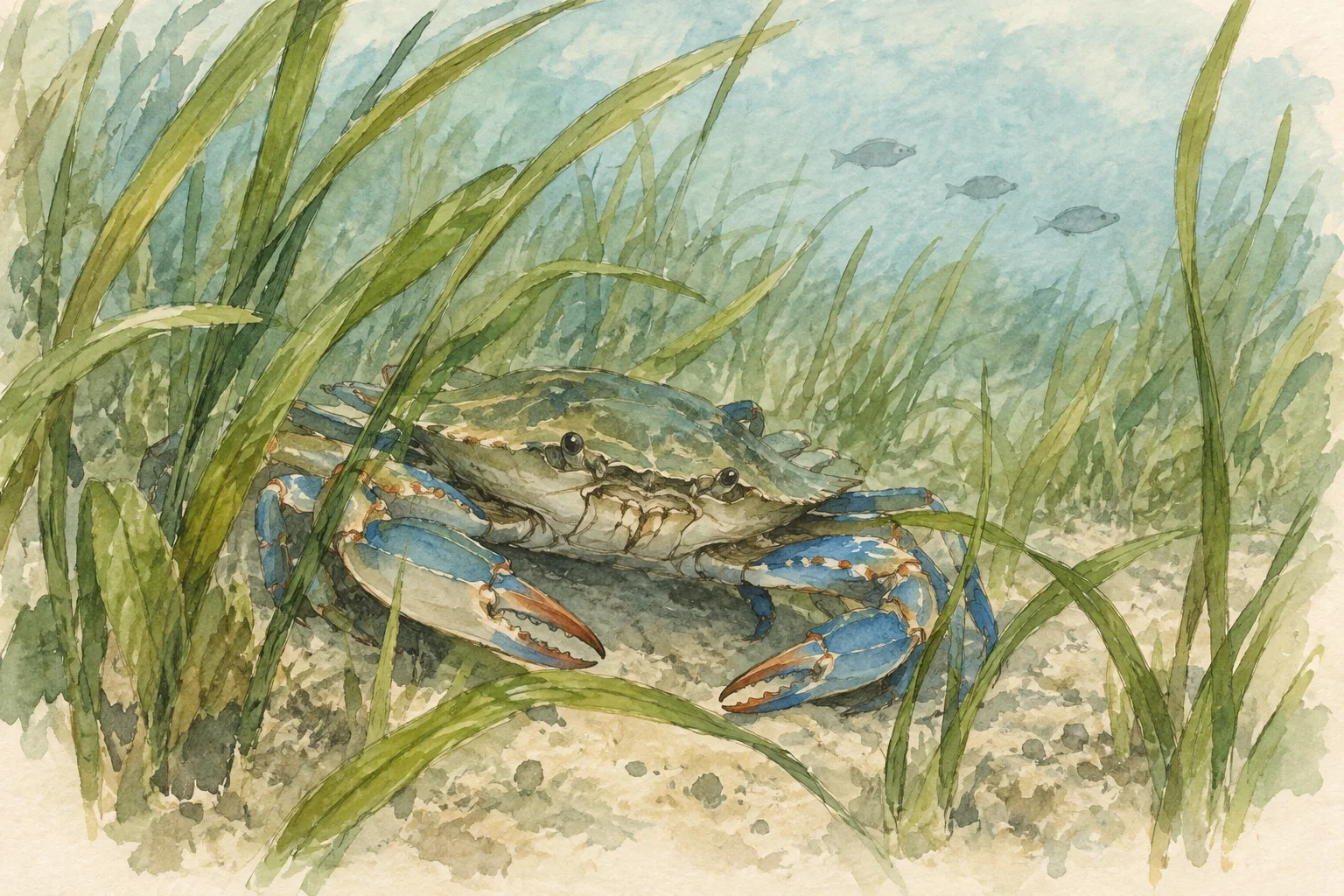
Long-term trends show more dissolved oxygen, which aquatic animals need to survive, and more underwater grasses that provide shelter. Levels of nitrogen and phosphorus, nutrients that can fuel unwanted algae growth, have fallen.
Dry weather helped by reducing the rainwater carrying pollution from land into waterways. But researchers say the improving trends over time also reflect sustained restoration and better pollution management.
One tangible achievement is oyster habitat restoration. Since 2014, about 2,400 acres of reef habitat have been restored and protected across 11 tributaries in Maryland and Virginia, with more than 7.5 billion oysters planted. Oysters naturally filter water.
The C-plus remains a measure of progress, not full recovery. Water clarity and algae indicators still scored poorly, and the 2025 data do not capture the major Potomac River sewage spill in January 2026. Researchers say continued investment is needed to keep improvements going.
Sources
- WTOPWhat the Chesapeake Bay's best report card to date means going forward - WTOP News
- The Bay NetChesapeake Bay Health Rebounds To C+ In Best Grade Yet
- WBALBay gets best overall health score in 40 years, researchers say
- WMRA and WEMCChesapeake Bay earns its best grade ever on annual report card
- Virginia MercuryChesapeake Bay gets a C+ in overall health, Va. and Md. leaders say work to protect it must continue * Virginia Mercury