Science and discovery
How condors fly on a fifth of a swan’s energy
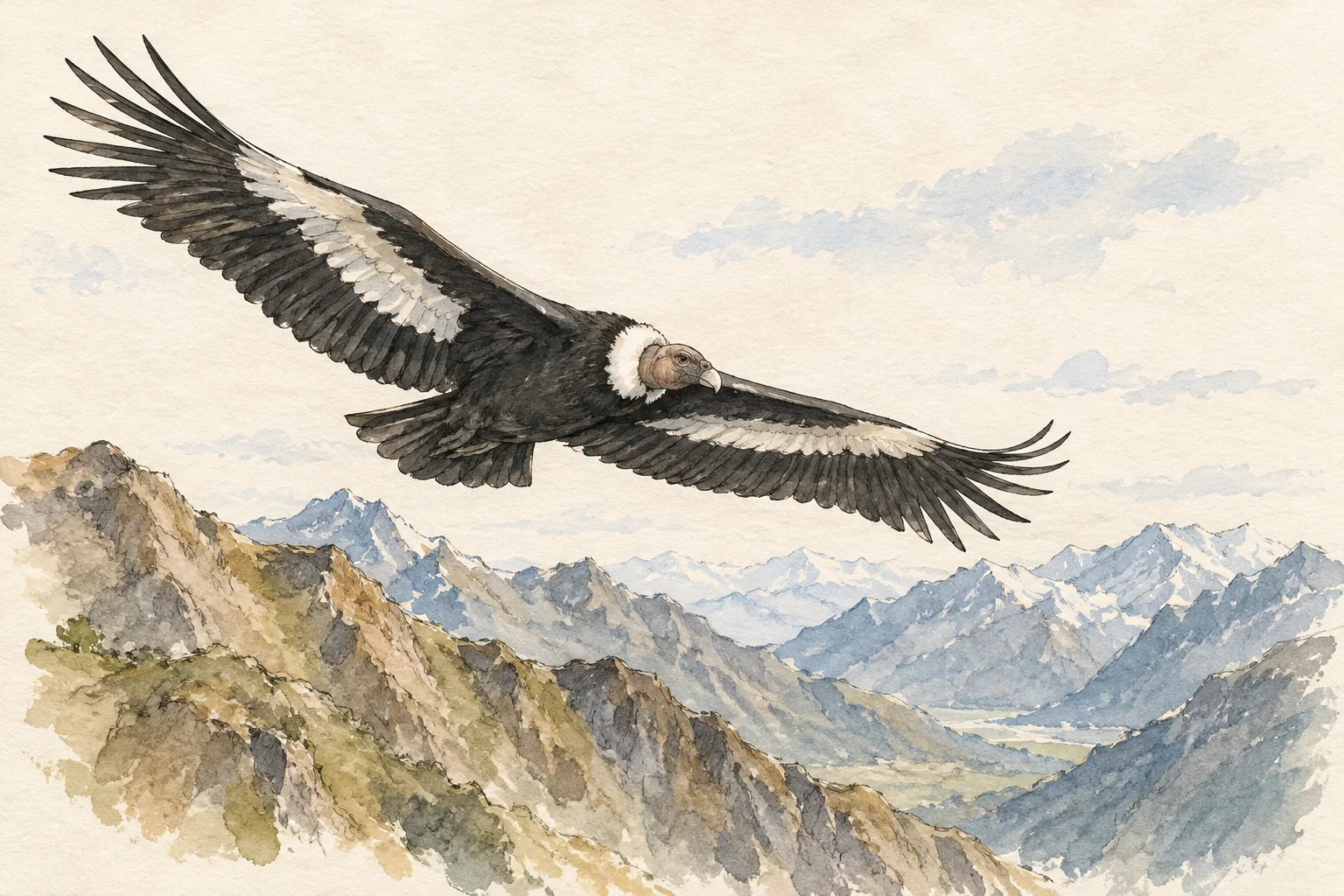
A new study estimates that Andean condors use 79% less energy per kilometre than trumpeter swans of similar weight. Their advantage comes from riding rising air rather than constantly beating their wings.
Both birds weigh about 11 kilograms. In the flight records analysed, condors flapped for just 0.1% of their travel time, compared with 99% for swans.
Published in Science, the research combined 17 years of GPS and motion-sensor records from 850 birds and bats across 38 species with radar observations of smaller flyers. An international team of 68 researchers contributed existing data, allowing the analysis without tagging new animals. Matching movement records with weather data helped the scientists estimate energy costs under real-world conditions.
The findings show why body size alone cannot explain the energy needed for flight. Larger soaring birds tended to flap less, but their efficiency depended on finding suitable rising air, limiting when and where they could travel. Flapping birds could cope with more varied conditions, although headwinds increased their energy costs.
The figures are estimates based on movement, not direct measurements of energy use. The researchers want to build on the findings with tools such as heart-rate monitors, refining their understanding of how the atmosphere shapes animal journeys.