nature thriving
More than 200 sea turtle eggs moved to safety ahead of dangerous surf
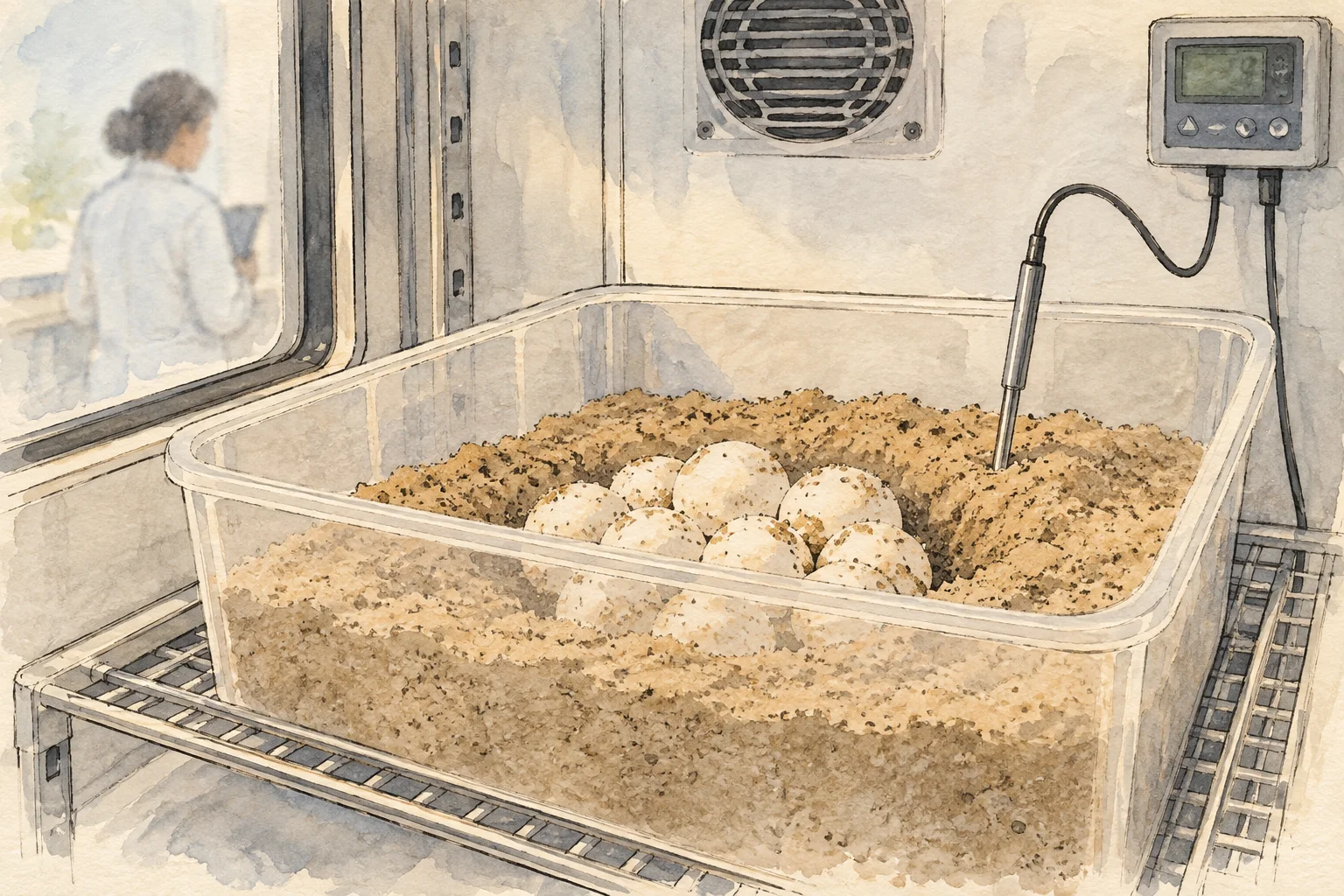
Biologists have moved more than 200 olive ridley sea turtle eggs from two Southern California beaches to a temperature-controlled environment at the Aquarium of the Pacific, protecting them from forecast high tides and dangerous surf.
The eggs came from Seal Beach and Huntington Beach, where nesting was recorded just days apart in September. According to NOAA Fisheries, these are the first documented natural sea turtle nests anywhere on the U.S. West Coast.
Officials had fenced off the nests and stepped up monitoring for predators and seawater. But with surf driven by Hurricane Polo threatening to wash them away, wildlife authorities decided to relocate the eggs to the aquarium in Long Beach on September 25.
Olive ridleys normally nest much farther south, in Mexico and Central America. Experts believe unusually warm El Niño waters may have contributed to the unexpected nesting, though temperature alone does not fully explain it. Breeding populations along Mexico’s Pacific coast are listed as endangered.
The eggs will now be carefully monitored during their 45- to 60-day incubation period. Hatching is not guaranteed, but the move shelters them from the surf at a particularly vulnerable stage.