science and discovery
Pyramid-shaped tomb in Egypt reveals an ancient Greek poem
Egyptian archaeologists have uncovered a pyramid-shaped, mud-brick tomb in Dakhla Oasis, with rare inscriptions that shed light on life and beliefs in Roman-era Egypt. The Ministry of Tourism and Antiquities said the tomb at Bir al-Shaghala was built for a man and his wife.
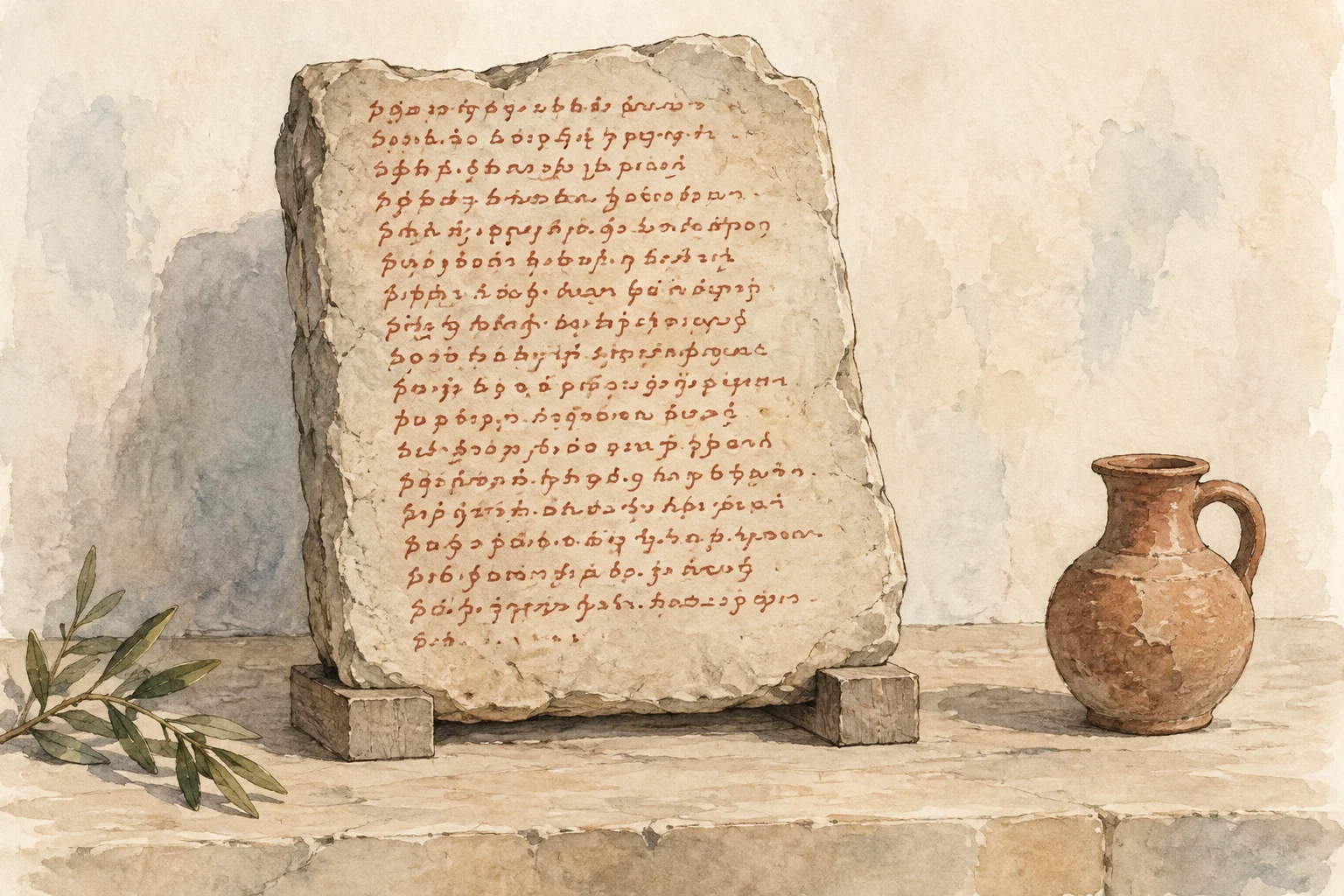
Among the finds is a stone tablet bearing a 19-line mourning poem written in red ink in ancient Greek. The poem dates to the late third to early fourth centuries CE. Preliminary study suggests the man it commemorates may have been a judge.
The tomb also draws strongly on ancient Egyptian traditions. A staircase of 14 steps leads to a sandstone entrance decorated with hieroglyphic spells for protection, a winged sun and two cobras. Beyond it are a vaulted hall and two burial chambers beneath the pyramid-shaped structure.
Archaeologists also found pottery, a sandstone offering table and purification basin, and a bronze coin depicting the Roman emperor Constantine. Structural remains suggest the tomb may have been reused later.
Excavations at Bir al-Shaghala began in 2002. Together, the poem, religious imagery and objects offer a fuller picture of the literary and spiritual life of an oasis community under Roman rule.