science and discovery
Dogs Listen for Word Patterns Much Like We Do
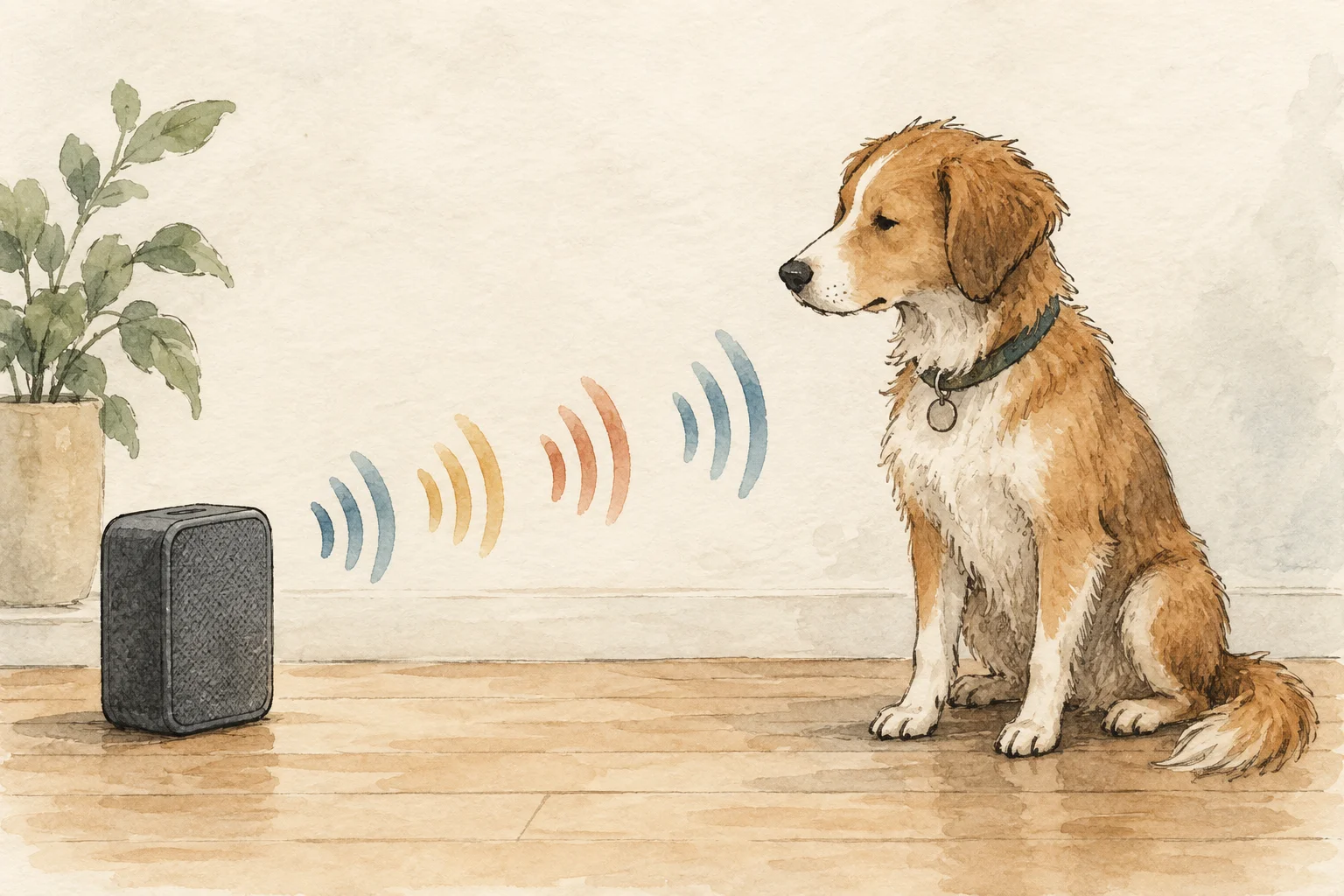
Dogs’ brains favour consonants when detecting word-like patterns in speech, a new study has found, revealing a listening strategy they share with humans.
Researchers at Eötvös Loránd University in Budapest compared 20 adults with 20 pet dogs, recording their brain activity through sensors placed on their heads. Participants heard continuous streams of invented, three-syllable words, without pauses marking the boundaries. Some recordings repeated consonant patterns while changing the vowels; others repeated vowels while changing the consonants. A third set had no consistent pattern.
In both species, brain activity followed the rhythm of the invented words more reliably when consonants supplied the repeating structure. Humans also detected vowel-based groupings, while the dogs’ responses to those did not clearly differ from their responses to random syllables. The findings were published in Science.
The dogs were ordinary family pets with relatively limited vocabularies, not animals selected for knowing many words. Their performance suggests that some tools for processing speech can develop without human-like language abilities. Still, this was a test of detecting sound patterns, not understanding meaning. The experiment also does not establish that exposure to human conversation caused the preference. How dogs acquire it, and what role domestication plays, remain open questions that could help illuminate the foundations of our own language skills.