science and discovery
Two new sea spider species found off Canada’s Pacific coast
Two previously unknown species of sea spider have been identified off British Columbia, Canada, revealing more of the tiny marine life along the Pacific coast. Measuring about a centimetre, the animals are harmless to people.
Researchers at the University of British Columbia collected specimens during dives between September 2023 and August 2024, reaching depths of 18 metres around Quadra Island, Vancouver, Bamfield and Victoria. They compared fine details of the animals’ bodies and genetic data with those of known species to establish that two were new to science.
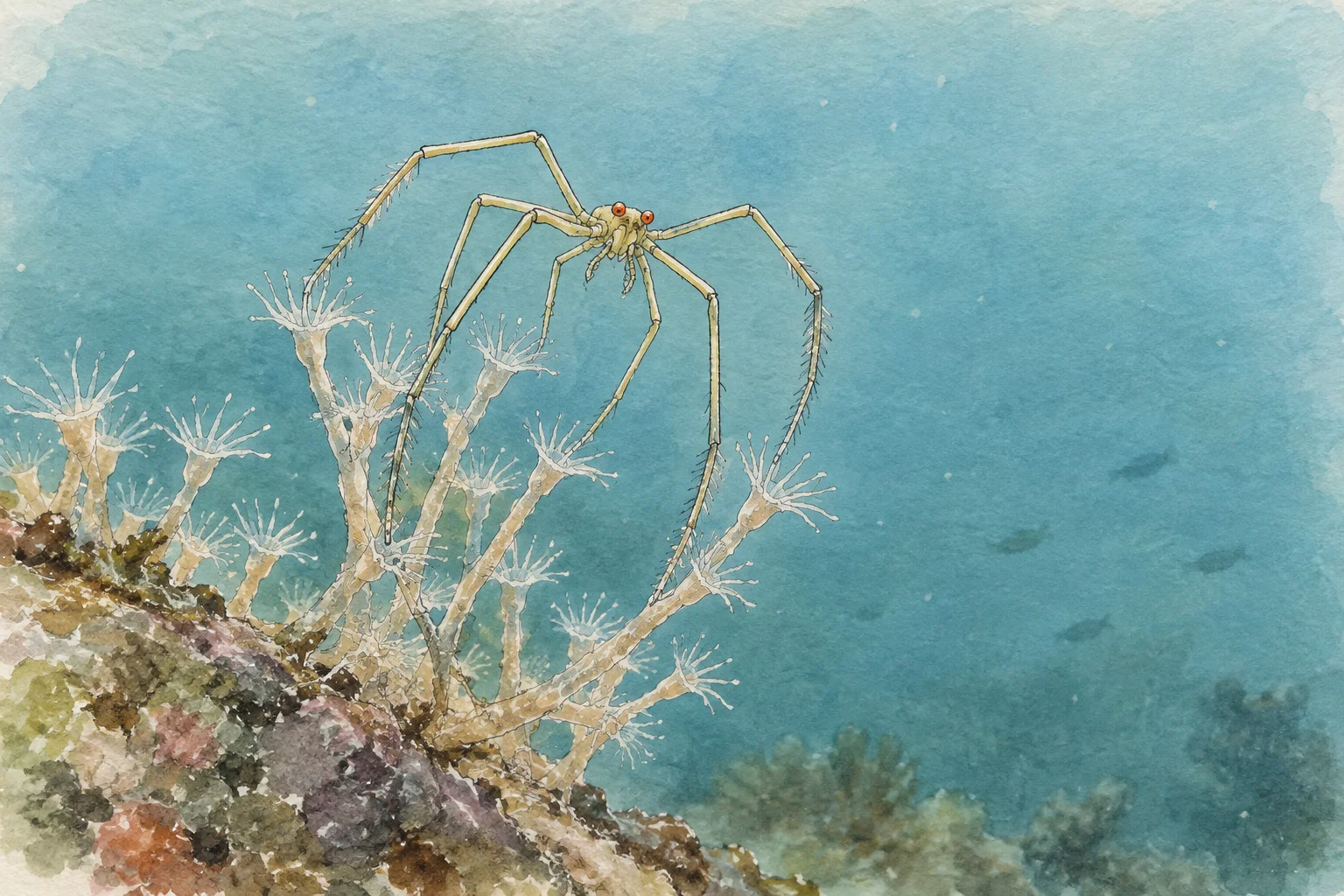
One, Callipallene pilosuspedes, has red eyes and fine spines covering its lower legs, which inspired its name’s reference to “hairy feet”. The other, Tanystylum kiixin, takes its name from an ancient Indigenous village site near where specimens were collected. Both were found living and feeding on hydroids, stationary marine animals the researchers liken to anchored jellyfish.
Sea spiders are relatives of land spiders, but evolved long before them and have always lived in the ocean. Small and easily overlooked, they remain poorly studied in the region.
By documenting them, the team has created a stronger starting point for future research, including questions about how climate change affects these little-known animals.