technology and innovation
Prototype system turns bottle plastic and crop waste into 3D-printed food
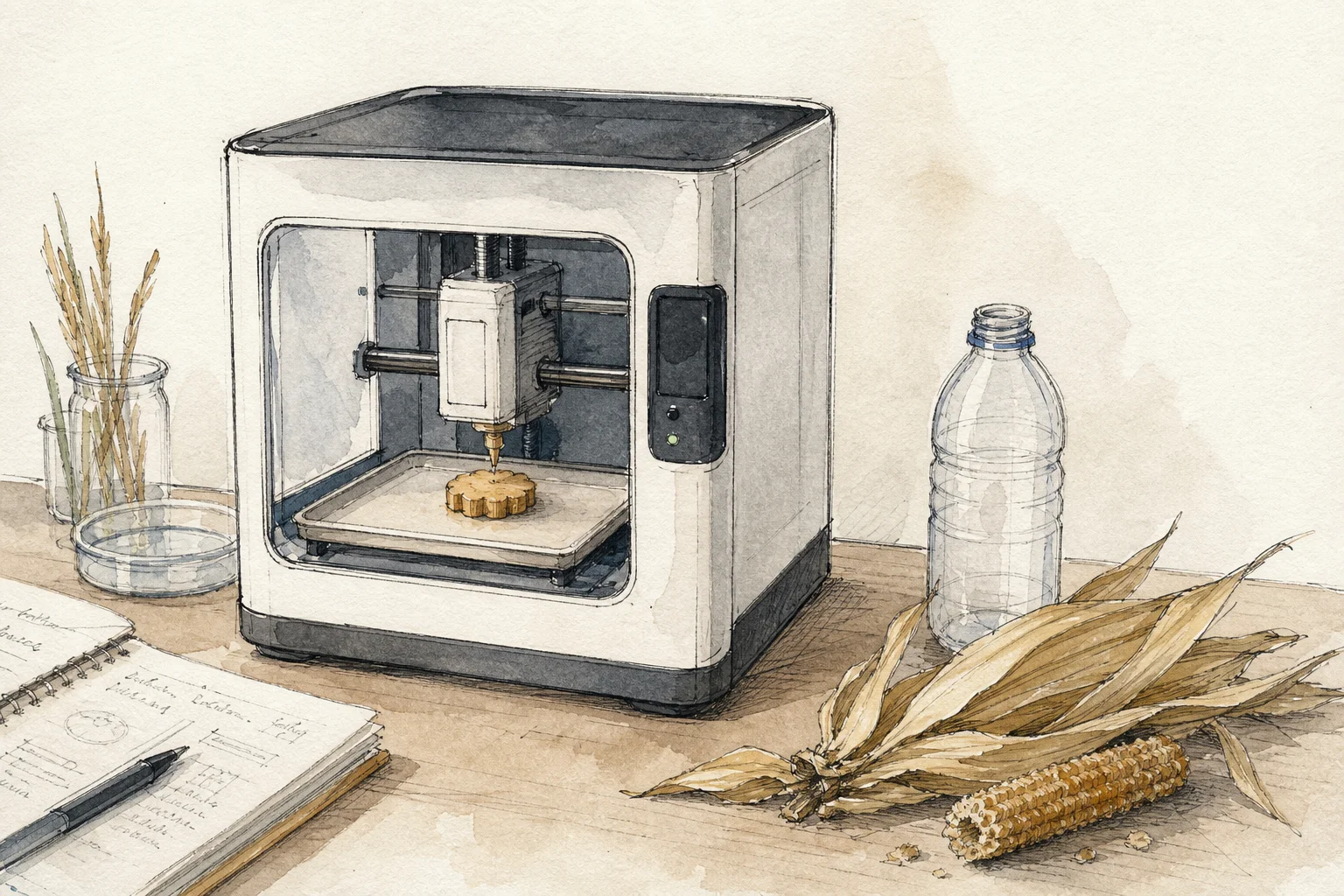
Researchers at Southern Illinois University Carbondale have demonstrated a system that converts PET plastic and agricultural waste into ingredients for protein-rich, 3D-printed biscuits. The experimental food, called µBites, was developed through a NASA-funded project exploring ways to produce food in resource-limited environments.
The process begins with PET, commonly used in drinks bottles, and plant material such as discarded corn stalks and leaves. Water and oxygen at high temperature and pressure break the waste into smaller compounds that microbes can use. Engineered yeasts then reform those compounds into proteins, fats, acids and other food ingredients. Some strains also produce vanillin for vanilla aroma and beta-carotene, which the body can convert into vitamin A.
Researchers currently add fibre, starch and sweetener before extruding the mixture through a 3D printer. They report that laboratory and third-party analyses found no toxic chemicals, heavy metals, allergens or food pathogens, but institutional approval for human taste tests is still pending.
The work remains a proof of concept rather than a ready solution to hunger or plastic pollution. The present process has 33 steps, takes one or two days and has not yet been adapted to microgravity. Even so, it shows that waste carbon can be rebuilt into useful nutrients, with possible future applications in spacecraft, submarines and disaster-response settings.
Sources
- Court House News ServiceTrash to treat: Scientists are baking with plastic waste
- EurekAlert!This cookie started its life as a plastic bottle
- ScienceAlertScientists Just Made A Cookie Out of Recycled Plastic 'Slurry'. Welcome to 2026
- New ScientistPlastic bottles can be turned into edible, vanilla-flavour cookies | New Scientist