nature thriving
Six Montagu’s harrier chicks fledge in rare second year of UK breeding
Six young Montagu’s harriers have taken flight from two protected nests on English farmland, giving the UK’s rarest bird of prey a second consecutive successful breeding season. A single ringed male, known to conservationists as AU, bred with two females and helped feed three chicks at each nest. The undisclosed site also produced four chicks in 2025, ending a stretch with no successful UK breeding from 2020 through 2024.
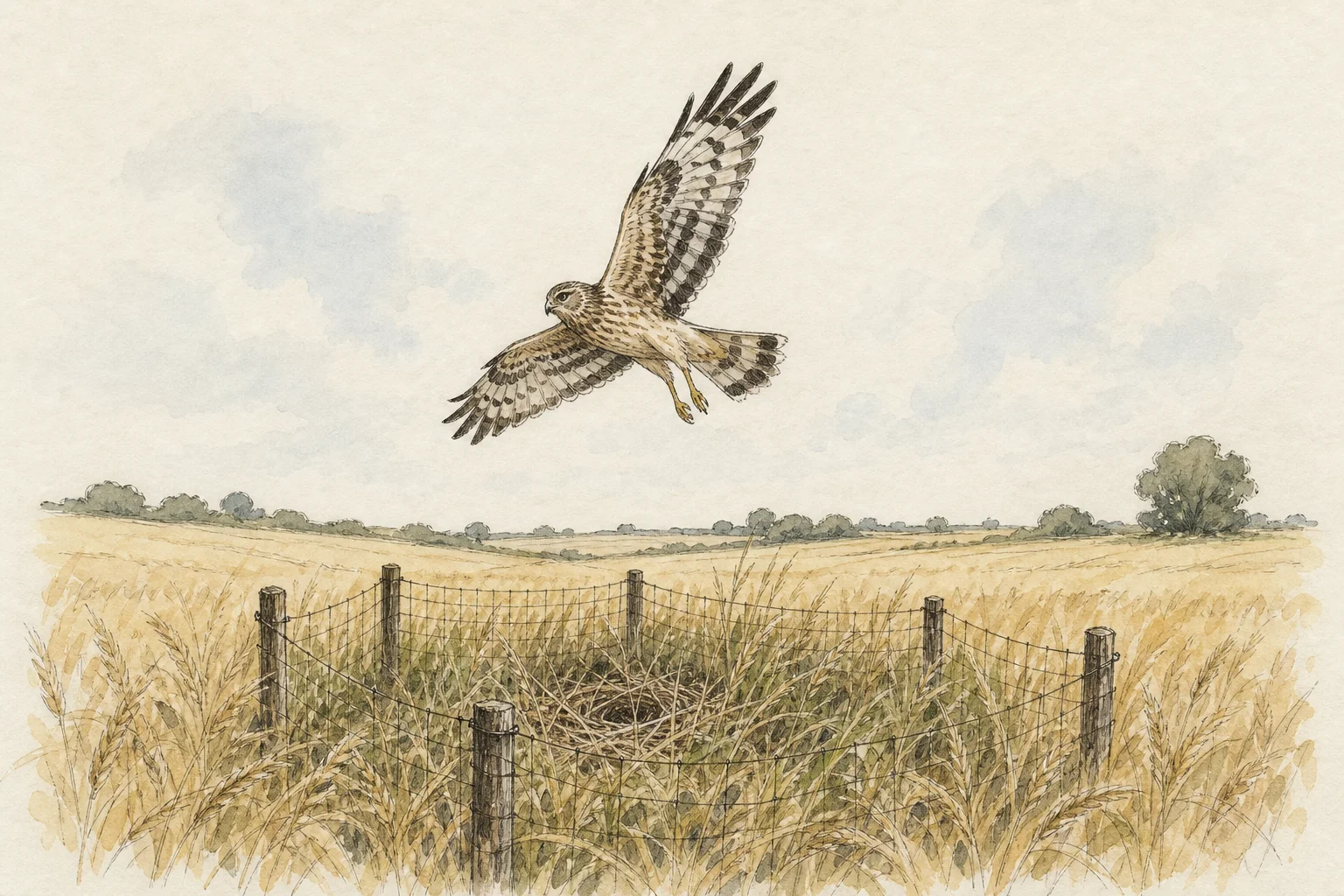
The gain is modest but meaningful for a species placed on the UK red list of birds at greatest risk in 2021. Montagu’s harriers migrate between European breeding grounds and wintering areas in Africa, and the small number reaching Britain often nest on the ground among crops. That leaves eggs and chicks vulnerable to predators, disturbance and farm machinery, particularly when drought brings harvests forward.
Farmers and RSPB conservationists monitored this year’s nests and used fencing to keep out ground predators. Keeping the location private also reduces disturbance on working farms without public access. All six chicks were ringed in July, while two young females received lightweight satellite tags, the first fitted to juvenile Montagu’s harriers in the UK. Their journeys should reveal migration routes, survival and when they may return, filling key gaps that could guide future protection.