science and discovery
T cells can sense tissue stiffness, revealing a new influence on immune memory
Scientists have uncovered evidence that T cells respond to the physical stiffness of surrounding tissue, expanding understanding of how the immune system builds lasting local protection.
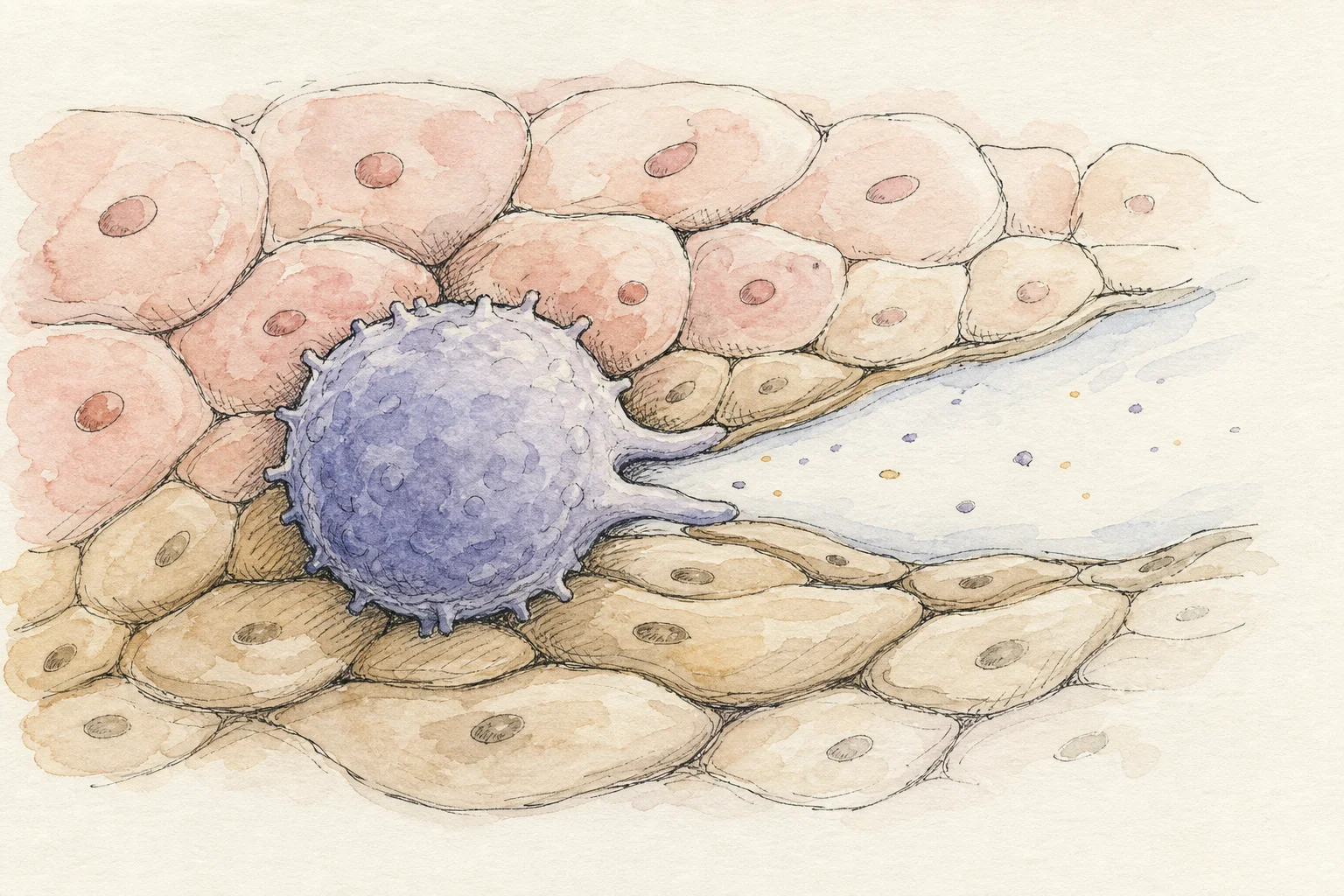
In laboratory experiments, an international team led by McGill University placed human and mouse immune cells in engineered collagen gels that mimicked tissues of varying stiffness. T cells in the stiffer environments were more likely to develop features associated with tissue-resident memory cells, which remain in tissues after an infection and can respond quickly if the same threat returns.
Published in Nature Immunology, the findings indicate that mechanical forces help shape T-cell behaviour alongside the biochemical signals long considered the main drivers of immune-cell development. The researchers suggest that adapting to pressure in different tissues may help memory cells persist over time.
The discovery is fundamental rather than a treatment breakthrough, and the molecular sensor that enables T cells to detect stiffness has not yet been identified. Finding it is a priority for further research.
A clearer picture of this process could eventually inform treatments for autoimmune diseases, allergies and transplant rejection, where T cells can target healthy tissue. It may also aid cancer immunotherapy research because dense tumours can be difficult for immune cells to enter. Understanding how T cells adjust to such environments could help scientists develop therapies that reach tumours more effectively.